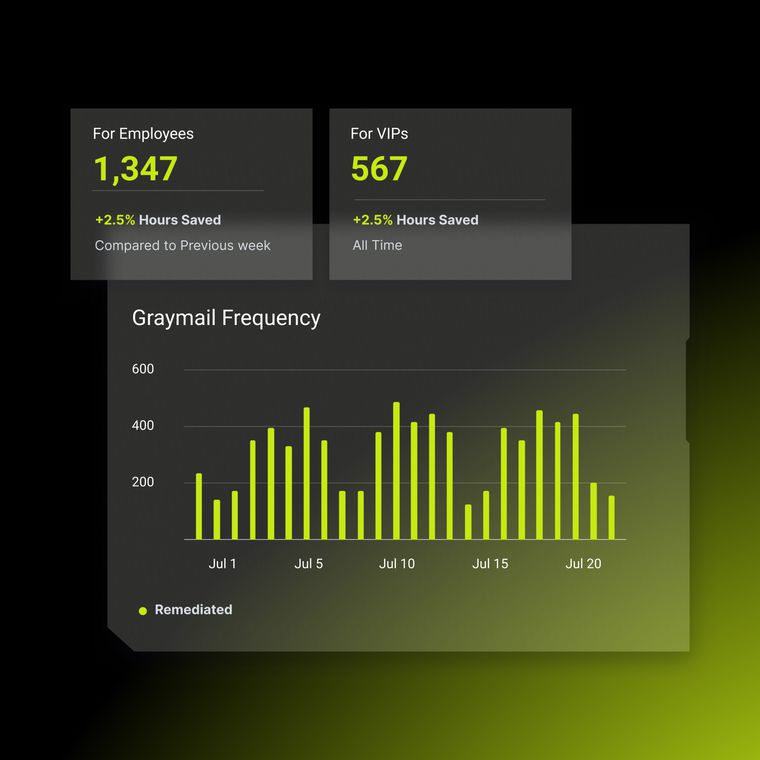
The alert fatigue epidemic has reached unsustainable levels. Security teams receive thousands of alerts daily, each requiring some level of attention. Manual triage cannot keep pace, and critical threats inevitably slip through the cracks.
The persistent talent gap compounds this challenge. Finding experienced security analysts remains difficult, and retaining them proves even harder when the work consists primarily of repetitive ticket processing. Teams suffer from burnout, leading to turnover that further strains already lean operations.
As Patty Titus, Field CISO at Abnormal AI, explained in the webinar: "The volume of tickets that were coming in was crushing my analysts, and I only had a handful."
Frontline defenders need support to focus on meaningful work. Entry-level analysts represent a significant investment—they understand the enterprise's baseline behavior, recognize deviations, and provide contextual awareness that automation cannot replicate. But when buried in low-value tasks, they cannot develop expertise or deliver strategic value.
The business case extends beyond operational efficiency. Retention improves dramatically when analysts perform valuable work instead of acting as ticket takers. Organizations that automate repetitive tasks while investing in analyst development see lower turnover and higher team performance.