Attack Overview
Step 1: Credential-Harvesting Email Sent from Compromised Internal Account
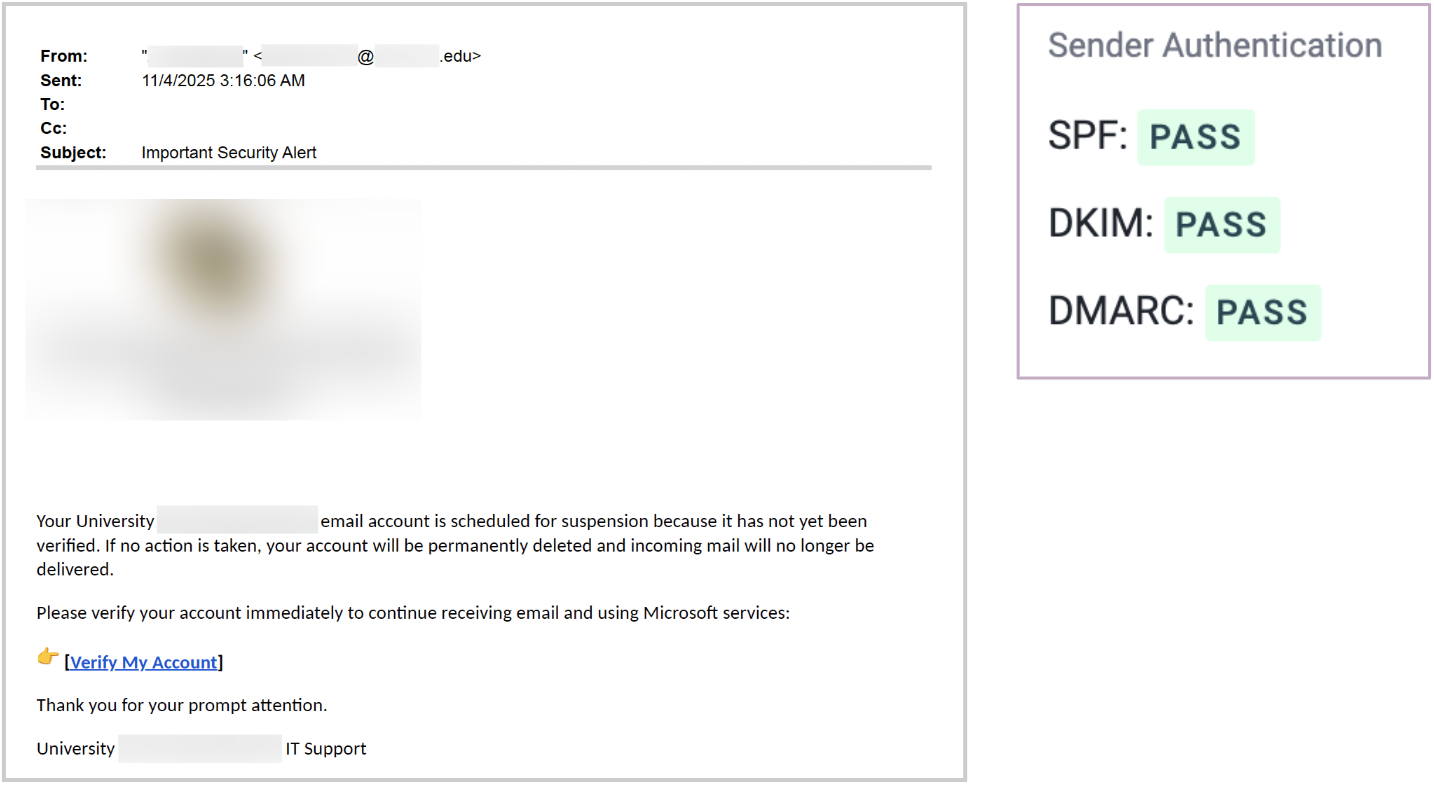
- Email is sent from a legitimate internal .edu email account that has been compromised and used to target employees within the same organization
- Email appears to originate from internal IT Support and contains urgent security alert messaging
- Email passes SPF, DKIM, and DMARC authentication checks, reinforcing its legitimacy
Step 2: User Redirected to Credential-Harvesting Portal
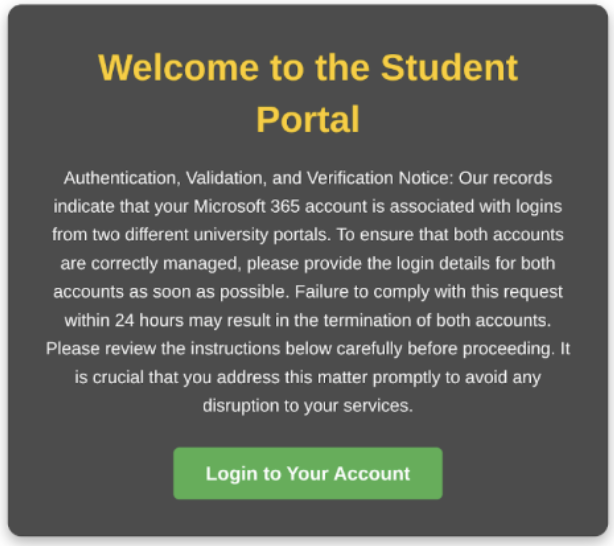
- Email directs recipients to a login portal prompting them to verify their account to maintain email and Microsoft service access
- The credential-harvesting page is hosted on Netlify, enabling rapid deployment of dynamic, AI-generated phishing infrastructure
- Portal mimics a legitimate university student authentication or account access environment
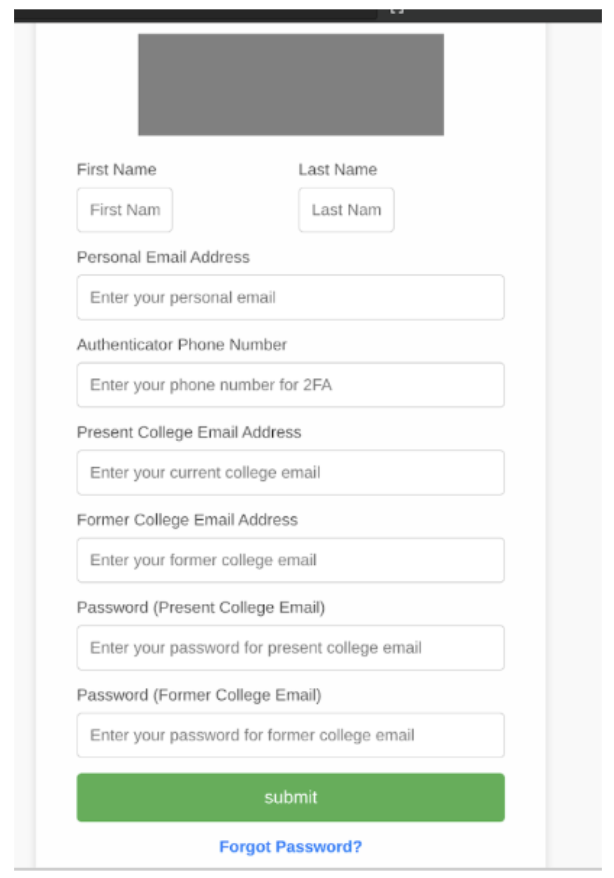
Step 3: Sensitive Information Collection Through Phishing Form
How Does This Attack Bypass Traditional Email Defenses?
- Messages originate from a legitimate, authenticated internal email account that passes SPF, DKIM, and DMARC checks
- Credential-harvesting infrastructure is hosted on Netlify, enabling attackers to deploy dynamic and AI-generated phishing content that can evade detection controls
- Email leverages trusted internal branding and urgent IT security messaging to increase user credibility and reduce suspicion
For these reasons, traditional security solutions, such as legacy secure email gateways (SEGs), would be less likely to flag this email as a threat.
How Did Abnormal Detect This Attack?
- Behavioral AI identifies anomalies such as never-before-seen senders and unusual communication patterns compared to historical sender behavior
- Detection of suspicious URLs and infrastructure inconsistent with expected internal communications
- Natural language processing recognizes urgency and credential-harvesting language patterns that deviate from normal IT support communications
By recognizing established normal behavior and detecting these abnormal indicators, a modern email security solution has the ability to prevent this attack from reaching inboxes.
Please note the exact detection mechanism from Abnormal AI's system might include proprietary techniques and methodologies not disclosed here.
