Security leaders can close this gap by treating email security posture as part of their CTEM program. Traditional validation tests whether email gateways (SEGs) and endpoint protection block known malware signatures. However, comprehensive validation must also assess whether behavioral AI can identify context-aware phishing and BEC attempts from compromised accounts. Most organizations have yet to deploy ML/AI-powered email security.
Behavioral AI technology analyzes identity patterns, communication context, and organizational baselines to detect email-based threats that signature-based tools fundamentally struggle to address. Rather than matching known threat signatures, behavioral AI learns what normal communication looks like for each individual identity, then detects deviations indicating potential compromise.
Abnormal integrates into CTEM programs through three layers of behavioral analysis:
Identity Awareness: Building detailed profiles of employees, vendors, and applications from directories, sign-in patterns, and communication histories
Context Awareness: Mapping relationships among identities and analyzing the tone, cadence, and frequency of their interactions to detect out-of-character communication
Risk Awareness: Applying natural language models and content analysis to detect suspicious intent, dangerous URLs, or hidden payloads
The platform's VendorBase provides federated intelligence across thousands of customers to baseline normal vendor communication patterns and identify supply chain compromise attempts—directly addressing the third-party risk gap in traditional CTEM programs.
Unlike traditional email security tools requiring extensive tuning, Abnormal's API-native architecture integrates with Microsoft 365 and Google Workspace in minutes, continuously adapting as behaviors evolve without disrupting mail flow.
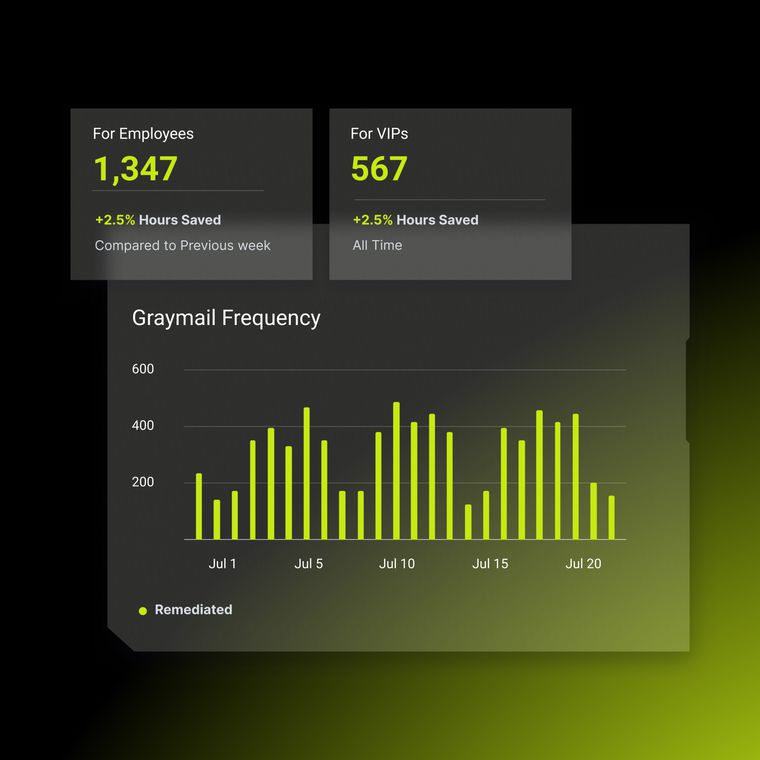
Abnormal fully automates email triage and remediation, providing explainable verdicts that help security teams operationalize response without manual review of every alert—directly supporting the mobilization stage of CTEM programs.