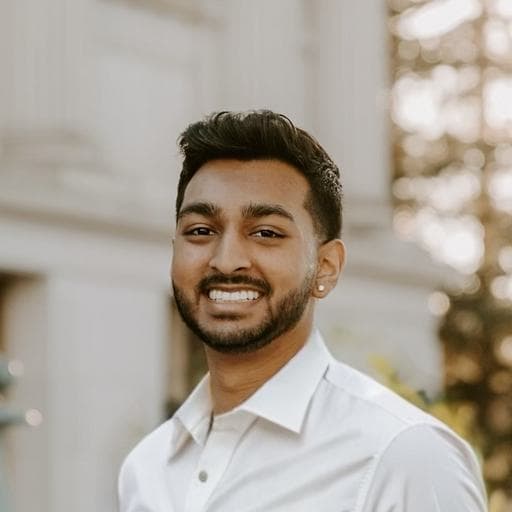
From College Grad to Building a Function
Most new graduates expect to spend their first few years learning the ropes. Shaan found himself writing them instead.
"I joined as Abnormal's first Technical Program Manager straight from UC Berkeley," he explains. "There was no playbook, no established processes. I worked with our VP of Engineering and CTO to define what the TPM function would look like from scratch."
This meant everything from launching critical infrastructure initiatives to mentoring new hires. His rapid growth came from a simple philosophy: no task was too big or too small. Whether it was solving a complex cross-functional program or helping someone create better Jira tickets, Shaan stepped up.
"I made myself indispensable to engineering teams across R&D. I think that willingness to tackle anything contributed a lot to my ability to grow so quickly."
AI as a Strategic Advantage
What sets Shaan apart is how he leverages AI to multiply his impact. His approach goes far beyond basic automation.
"Take our internal chatbot," he shares. "What started as a hackathon project became this powerful AI agent that browses our entire enterprise environment. Instead of hunting down subject matter experts, I have a reliable, always-available expert in all things Abnormal."
"One of my most game-changing habits is creating a Custom GPT or Claude Project for every program I run. I continuously update it with meeting notes, design docs, project trackers. These AI-powered knowledge hubs make status reporting and decision-making incredibly efficient."
His most impressive application? When tasked with reducing infrastructure costs, Shaan built an AI-driven anomaly detection system in Databricks that flags unexpected cost spikes before they spiral.
"I applied Abnormal's core cybersecurity approach to financial monitoring," he explains. "We establish baselines for normal spending behavior, then detect anomalies. Since I don't come from a traditional Computer Science background, LLMs were invaluable in helping me write and refine the detection logic."
Connection in a Remote World
Despite working for a fully remote company, Shaan chooses to be in the NYC office more than three times a week.
"The people are hardworking, motivating, and fun to be around," he says. "We have this tradition where we make bread together every Thursday. We dump ingredients into a bread machine in the morning, work all day, then gather in the afternoon for fresh-baked bread. It sounds simple, but those moments matter."
For his distributed team, connection happens through bi-weekly TPM forums that blend personal sharing with professional development. "We always start by sharing pictures of recent wins from our personal lives before diving into topics like 'Influence Without Authority' or building cross-functional program playbooks."
"What keeps me at Abnormal is this Day 1 mentality. There's always a new, high-stakes challenge to tackle. No matter how much we grow, there's still so much left to build."
Building the Next Generation
Now as a manager, Shaan focuses on developing other emerging TPMs. "Although most of our team is early in their careers, I'm confident they'll grow into strategic leaders who drive meaningful change. My goal is to equip them with the ownership mindset that allowed me to grow so quickly."
Looking beyond Abnormal, Shaan comes from a family of jewelers and could see himself eventually running a small business. "Many of the skills I use as a TPM translate well to entrepreneurship. Managing stakeholders, driving execution, identifying risks before they escalate."
But for now, the opportunity to solve high-impact challenges keeps him energized. "This is exactly the kind of environment I thrive in."