
Demo visuals include blurred data or synthetic placeholders to protect customer privacy.
In his second week at Abnormal, Kevin Qi brought a working answer to a problem the new abnormal.ai site had been carrying: lots of structure, not much content. Partnering with Brandon Qin on the AI-native website, Kevin built a pipeline that pulls real customer and company content wherever it lives and enables AI agents to place it on the right page at the right time. This is episode 7 of Code to Content.
An Agentic Pipeline for the Site
The redesigned site already had its skeleton. What it needed was a way to fill that skeleton automatically, from sources that were never meant to talk to each other. Kevin's pipeline connects those sources to the agents building the site.
A week earlier, the new site looked finished from a distance and empty up close. The scaffolding was in place, but the substance was missing, and the raw material was spread across too many systems to assemble by hand.
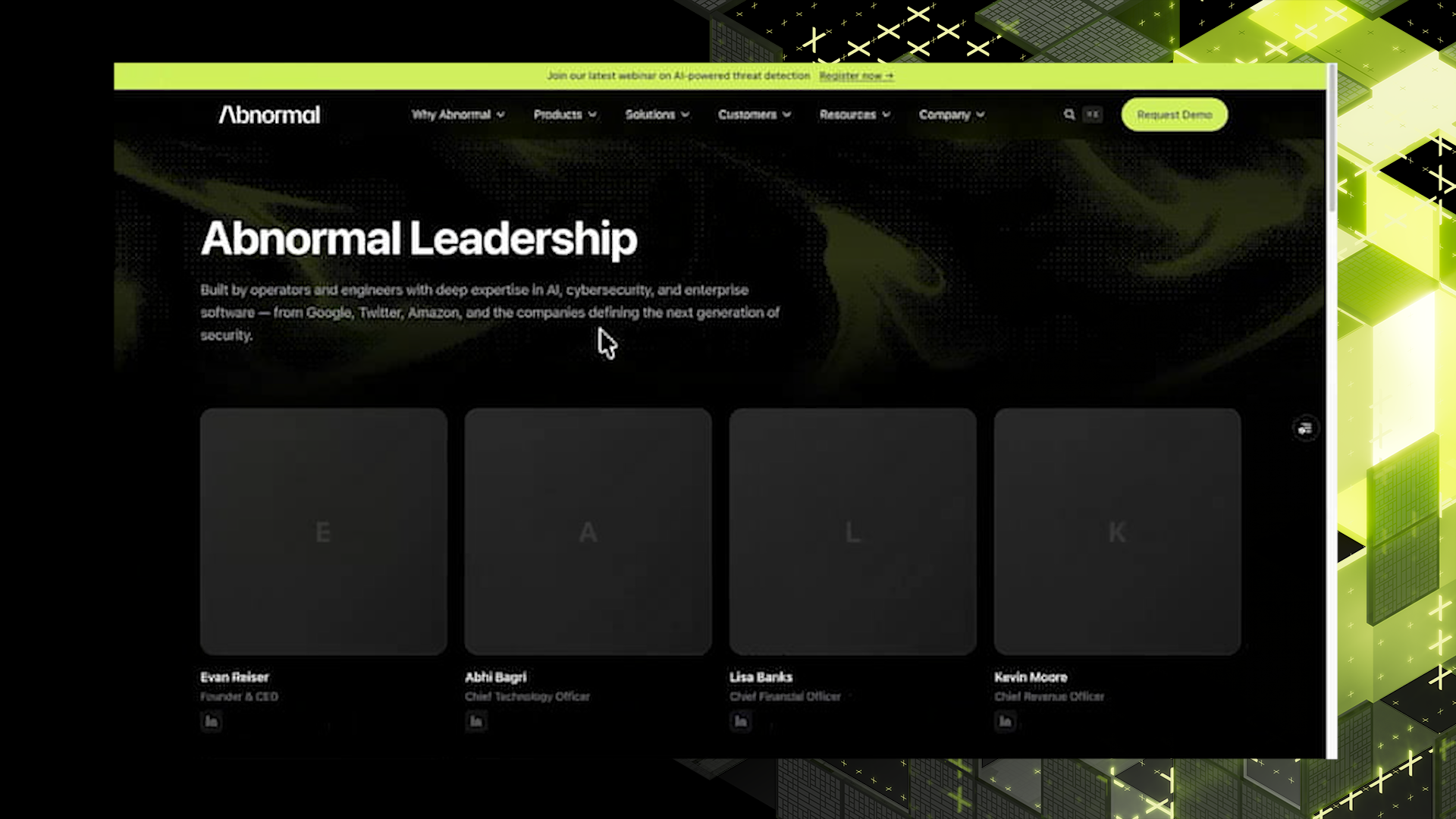
- Pages shipped with placeholders instead of content: leadership headshots, customer stories, awards and recognition icons, and platform integration logos were all blank.
- The source material lived everywhere. Images, logos, and copy were scattered across Google Drive, spreadsheets, and Confluence, with videos in Wistia and generated images in S3.
- With no single source of truth, every placeholder was filled manually, which made publishing slow and prone to getting out of sync.
One Source, Many Pages
Kevin's fix starts by unifying content into one place. Files, logos, and copy from Drive, spreadsheets, and Confluence get pulled into Contentstack, the new CMS, while videos from Wistia and generated images from S3 are paired alongside.
All of that metadata funnels into OpenSearch, an index that makes the content searchable and consumable by the AI agents building the site. The agents query the index and render each page dynamically.
- Unifies scattered content into a single source of truth in Contentstack
- Indexes everything in OpenSearch so agents can search and pull it
- Lets AI agents fill the right page at the right time, automatically
- Pulls real content, not stand-ins, across leadership, customer stories, awards, and integrations
- Demonstrated live as a before and after across four page types
In the demo, Kevin walked the leadership page from blank scaffolding to populated bios, headshots, and investor logos, then did the same for customer stories, awards, and platform integrations in seconds each.
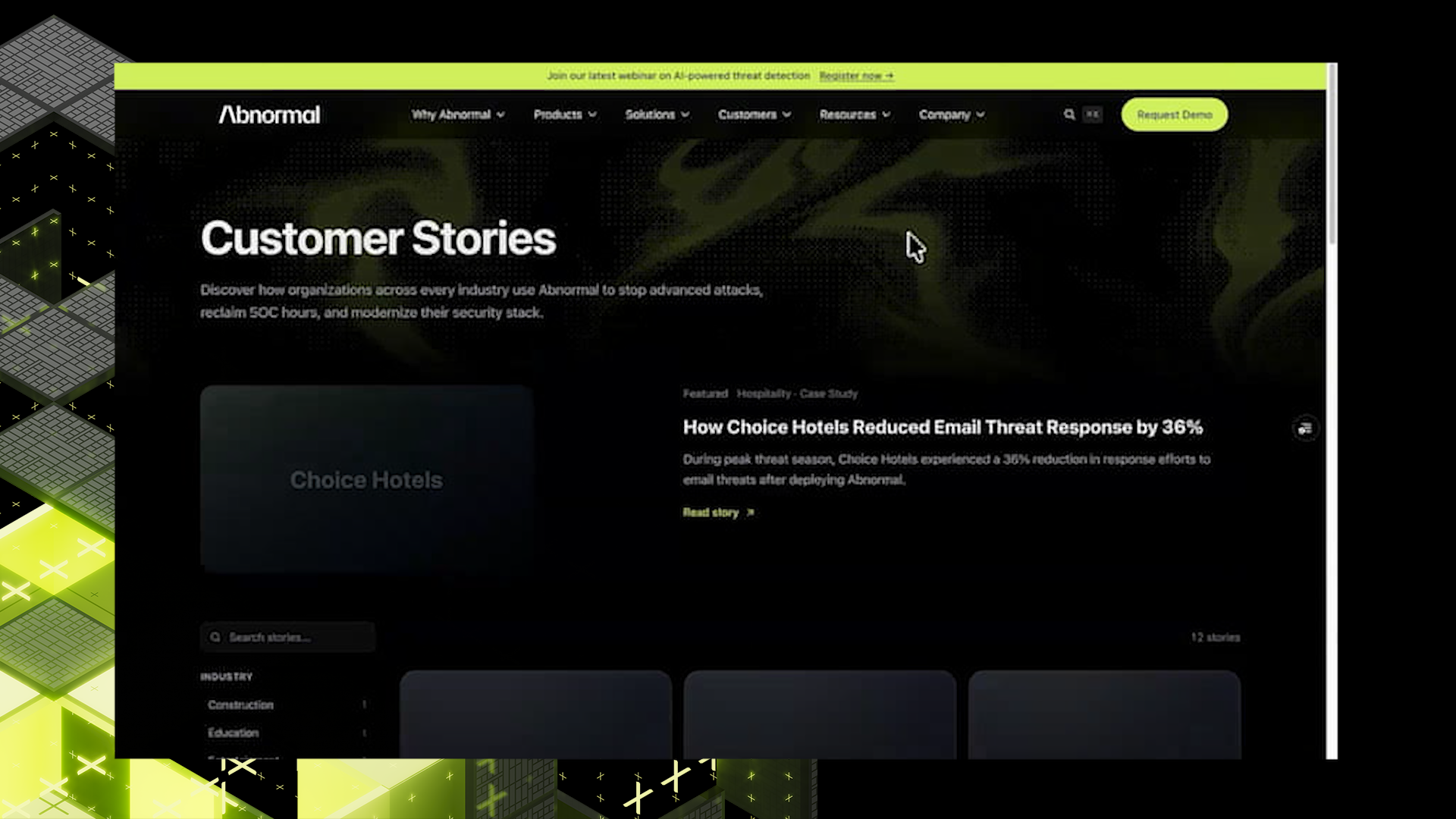
"This is gonna make publishing content, editing content, sourcing content so much easier for all our marketers, all our go-to-market teams." — Kevin Qi
That speed is the point: pages that took manual assembly now fill themselves from the source of truth.
Why It Matters for GTM
For marketers and go-to-market teams, the pipeline removes the manual placement work and the version drift that came with it, so new content reaches the public site faster. For the AI and web team, the value is structural: the same pipeline keeps the site consistent and sets up a foundation that can be maintained without hand-editing every page.
- Cuts the manual work of placing content page by page
- Reduces drift by sourcing every page from one index
- Lays the groundwork for self-service editing across teams
The next step is to finish the remaining pages and polish the styling, then move toward self-service so any stakeholder who needs to update the site can do it directly.
Built to Run Itself
One peer pointed out what is easy to miss when you only watch the UI: the team chose this architecture specifically so the site can be updated in an AI-native way. The look matters, but the bigger win is that the site can be edited, run, and maintained autonomously at the same level of quality.
Another peer framed it as a shared build, with several people working on different parts of the same site and self-service on the way, so any team can spin up content. He also credited Kevin for making customer cards brand-dynamic, so a card can match a customer's own colors rather than a generic blue. It is a small touch that shows how far the pipeline extends in making the site feel tailored to each customer.
