
Demo visuals include blurred data or synthetic placeholders to protect customer privacy.
In Episode 8, Kevin Qi, Brandon Qin, and Mickey Dang walked through the new AI-native abnormal.ai website, taking it from code to content. Three builders showed three parts of a single system: a content pipeline that populates pages, a design workflow that ensures they look right, and a localization agent that ships them in other languages.
The Build Behind the Site
The team is not just redesigning a website. They picked an architecture in which AI agents source content, render pages, style them to brand standards, and translate them, with humans steering quality rather than hand-editing every page.
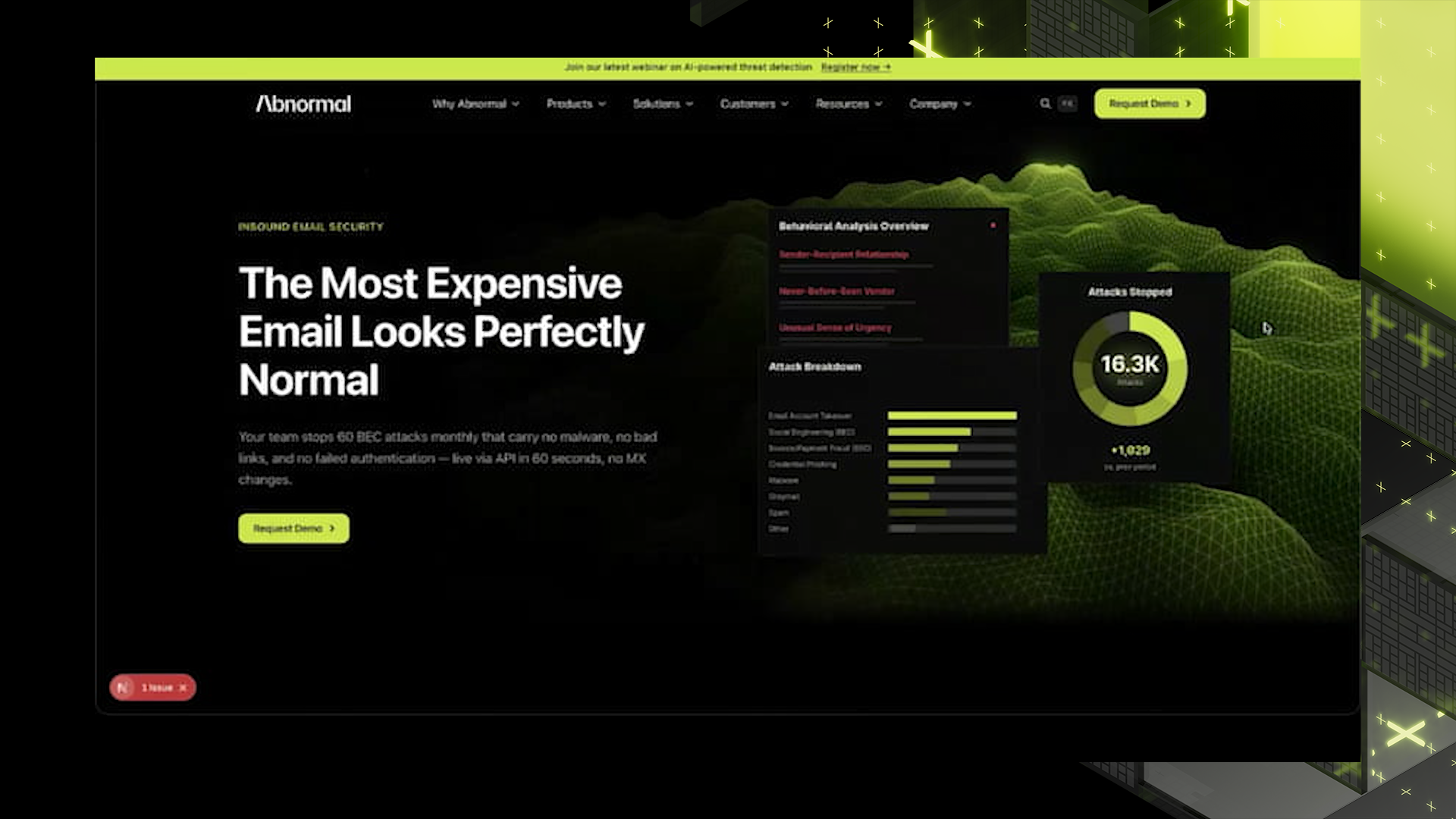
The new site launched with full scaffolding but very little real content in place. Quotes, customer stories, leadership headshots, and awards icons were missing, and the assets that did exist were spread across too many systems to assemble by hand.
Three frictions stood out:
- Customer content like quotes, stories, team profiles, and awards icons was missing from finished page layouts.
- Source assets were scattered across Google Drive, spreadsheets, Confluence, videos in Wistia, and AI-generated images in S3.
- Every page existed only in English, with no scalable path to localize for European and Japanese audiences.
Kevin built the content pipeline. Scattered assets get unified into Contentstack, the new CMS that acts as the single source of truth. Videos in Wistia and images in S3 feed alongside it, and all that metadata funnels into OpenSearch, an index the AI agents query to render the right content on the right page.
Brandon layered the design on top. Working with the design team and Cloud Design agents, he committed AI-generated TypeScript components directly to the GitHub repo, including a Spline-powered interactive cube and Three.js backgrounds.
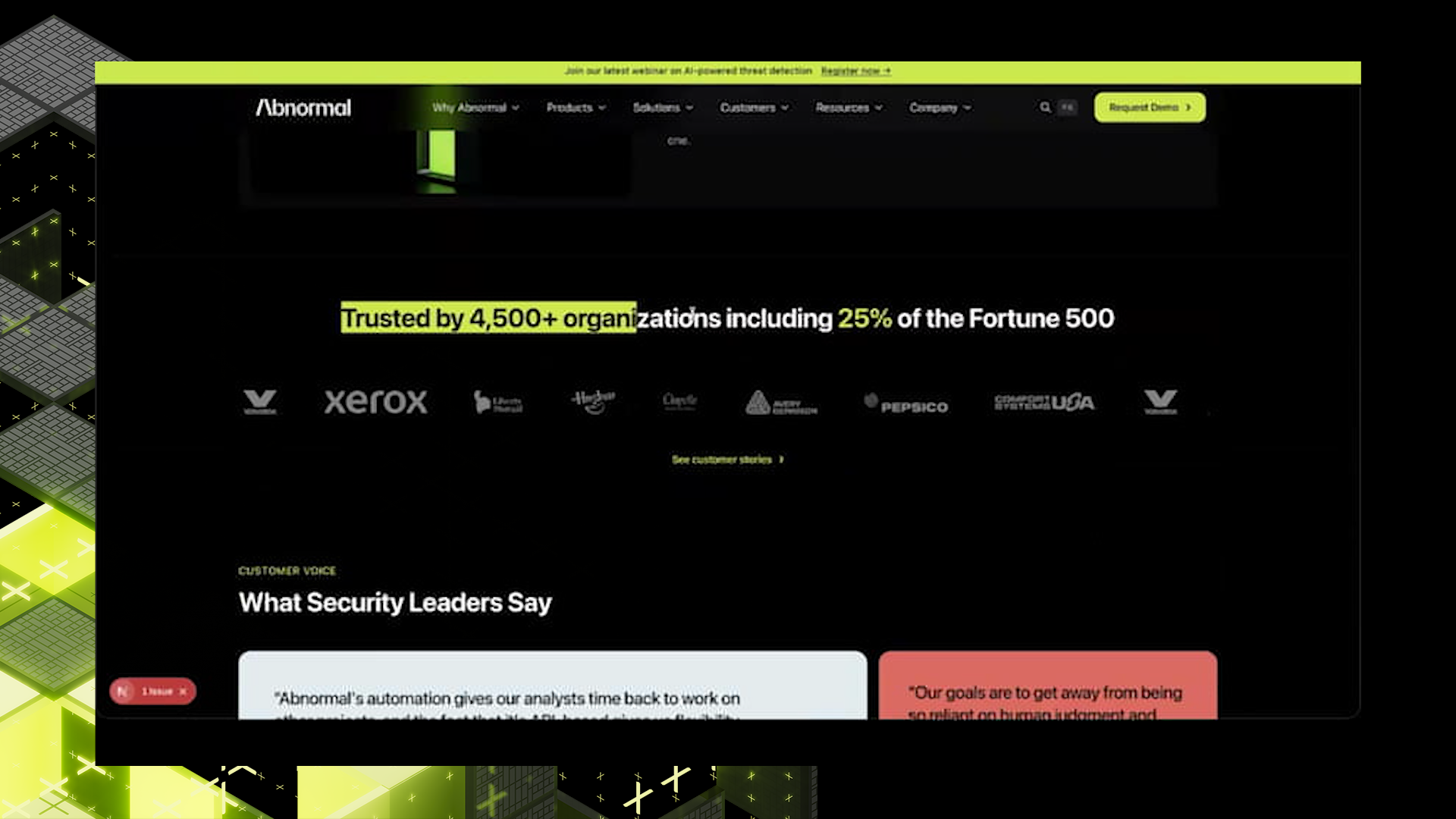
Capabilities the team showed:
- Agents pull leadership bios, customer stories, awards, and platform logos from one source and fill pages dynamically
- Customer cards adapt to a partner's brand color, matching companies like Domino's and Valvoline
- A daily localization agent runs after the site builder agent to translate newly created or updated pages
- Human reviewers QA a subset of translations, and the diff feeds back as context so the agent improves over time
- A maintained glossary protects proper nouns and product names from being translated
"What actually happens is there's a job, an agent that basically runs every day. We call it the localization agent, which runs after Brandon's site builder agent." — Mickey Dang
Together, the three layers turn empty scaffolding into a finished, on-brand, multilingual site with no manual page editing.
What It Changes for Teams
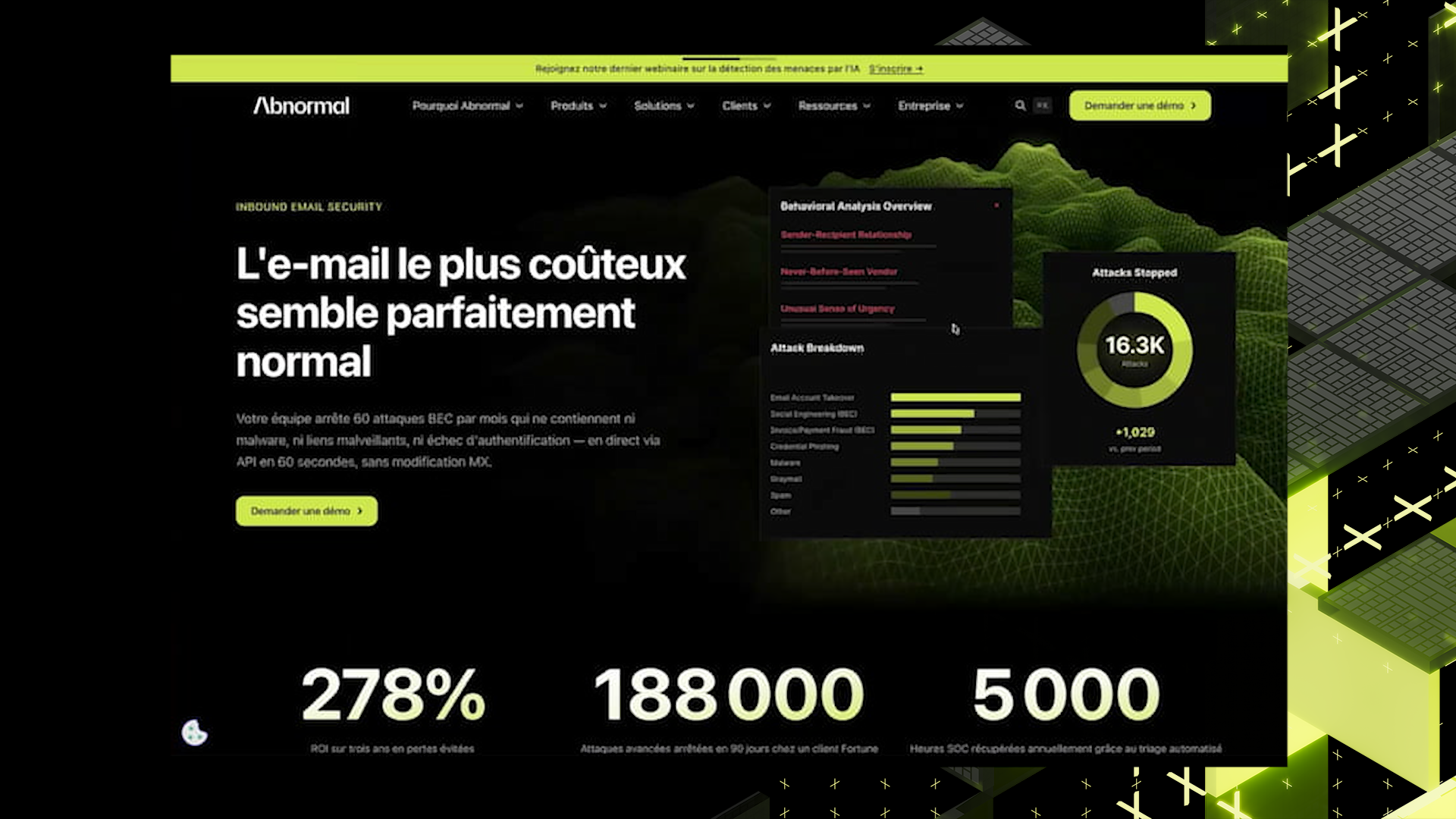
The payoff is speed and reach without manual content wrangling. Mickey demoed a page switching to French in about two seconds, then confirmed Spanish and Japanese versions had translated as well.
The value lands for different audiences:
- Marketers and go-to-market teams get publishing, editing, and sourcing that no longer means hunting across tools
- Customers and recruits see a fresher site, in their own language, that better represents Abnormal
Impact the team called out:
- Real customer content now populates leadership, customer stories, awards, and platform integration pages
- Pages are localized into several European languages, plus Japanese, on a daily cadence
- Brand-matched visuals and on-brand highlights replace generic placeholder styling
The realistic next step is going live. The team plans to show the site at the June All Hands and, pending a final go decision, switch over the website in mid-June, with the same architecture spinning up new pages for Black Hat in August.
Built to Run Itself
The visible win is how the site looks, but the more important win is how it is made. The team chose an AI-native architecture so the site can be edited, run, and maintained autonomously at the same level of quality.
That is the cultural signal underneath the polish. Abnormal is building the kind of self-updating system its mission points to, where agents handle repetitive work and people focus on judgment and taste. Brandon noted that self-service is coming next, so any stakeholder who needs to spin up something on the site will be able to do so.
